



Explore How Honolulu’s Streetwear Scene Celebrates Local Identity and Culture
Step onto the streets of Honolulu, and you will notice vibrant patterns, surf-inspired prints, and clothing that seems woven from the island’s spirit itself. But these looks signify more than trends—they are living expressions of community, heritage, and belonging. What stories do Honolulu’s streetwear styles tell, and how do they reflect the island’s layered identity? Recent research from the University of Hawaiʻi at Mānoa shines a spotlight on how local fashion does far more than follow global trends, revealing a rich narrative of place and culture.
The Roots of Honolulu Streetwear
Fashion in Hawaiʻi has always been a unique blend, evolving from the breezy aloha shirts of mid-20th century tourism to the bold, youth-driven streetwear seen in present-day Honolulu. While aloha wear once symbolized leisure and tropical charm, today’s street style is shaped by the archipelago’s diverse population, its connection to the ocean, and the creative dynamism of local brands.
University of Hawaiʻi researchers Mark Oandasan, a fashion lecturer and CTAHR graduate, alongside Professor Andy Reilly, have taken a comprehensive look at this phenomenon. Their study, published in Fashion Studies, investigates how Honolulu’s contemporary streetwear is “not just a copy of mainland trends,” as Oandasan explains, but rather a reflection of the islands’ complex cultural landscape. The research reveals that Honolulu’s fashion scene is grounded in local expression, mixing surf aesthetics, urban influences, and threads of Native Hawaiian culture into a distinctive style narrative.
Defining ‘Moke Style’: More Than Fashion
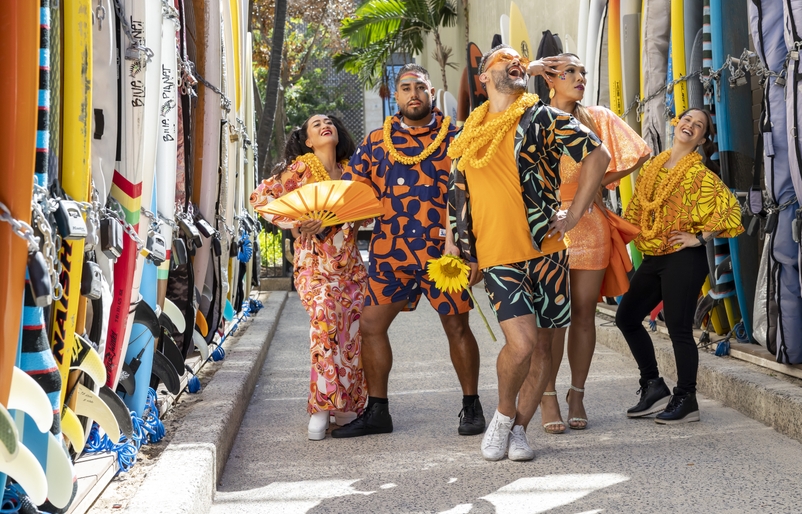
Central to this identity is what the researchers term “Moke style.” Far from being just a clothing trend, Moke style is a form of visual storytelling, emerging from the islands’ outdoor lifestyle, close-knit communities, and a subtle yet enduring pride in Native Hawaiian values.
The concepts of ʻāina (the land) and ʻohana (family) are at the heart of this style. In daily dress, respect for the environment shows up in the use of natural materials or eco-friendly brands. The importance of family and community is reflected in collaborative designs, local slogans, and clothing often passed between generations or worn at family events.
The street style of Honolulu has also been influenced by the aesthetics of local casinos. The atmosphere of gaming halls—with their bright lights, bold graphics, and a unique sense of excitement—has found its way into clothing through shiny details, striking prints, and symbols of luck. Today, this influence extends beyond land-based venues, as online casinos become part of the cultural landscape. Crash games like Aviator are especially popular, capturing the attention of young people and inspiring designers to create daring looks. On specialized info sites, such as https://aviatorapps.in/, users can explore platforms for the game, while fashion reflects this trend by weaving the thrill of chance and the innovation of the digital era into local style.
A typical Moke-inspired outfit might feature loose, comfortable shorts, logo-heavy T-shirts from local labels, and accessories inspired by surf and skate culture. Brands like FITTED Hawaiʻi and In4mation incorporate indigenous motifs, language, or island geography into their collections, making each piece a badge of community membership. “It’s a tangible representation of ‘local boy’ identity,” notes Oandasan, “reflecting a connection to the land, community, and the unpretentious spirit of island life.”
Overcoming Geographic Isolation: The Role of Social Media
Yet, Honolulu’s distance from major fashion capitals poses real challenges. The city’s remote location can slow the influx of new trends and limit the reach of local designers. Despite these hurdles, digital technology has become a lifeline. Platforms such as Instagram and TikTok allow local streetwear brands to gain visibility, connect with consumers, and even spark collaborations across the ocean.
For instance, the Honolulu-based label Salvage Public leverages Instagram stories and TikTok videos to showcase new collections, share behind-the-scenes content, and interact directly with followers. This online presence has helped the brand attract attention both locally and internationally, demonstrating how social media can bridge geographic divides and amplify unique island voices.
The Broader Significance of Cultural Research in Fashion
Why does this kind of research matter? According to Oandasan and Reilly, understanding streetwear’s cultural roots in Honolulu demonstrates how clothing is far more than personal choice—it is a language that expresses social values, affirms identities, and fosters belonging. Their call for greater academic attention aims to encourage more nuanced studies of how fashion movements emerge from specific histories and communities.
This perspective is not unique to Hawaiʻi. Around the world, streetwear scenes in cities like Tokyo, Johannesburg, or São Paulo similarly reflect local struggles, aspirations, and pride. Each region’s fashion tells its own story, but all share the role of clothing in shaping a sense of place.
Ongoing Initiatives and Community Engagement
The University of Hawaiʻi is actively supporting the next generation of designers and entrepreneurs passionate about local style. Programs like the collaborative fashion and design entrepreneur series—organized by Oandasan in partnership with the Pacific Asian Center for Entrepreneurship—offer students and community members a platform to learn, create, and network.
Local designers often affirm the deeper meaning behind “dressing local.” As one emerging Honolulu artist shared during a recent workshop, “Wearing these brands tells people where I come from and what I stand for. It’s about pride, but it’s also about responsibility to community and culture.”
Looking Ahead: The Future of Honolulu’s Streetwear Scene
What does the future hold for Honolulu’s streetwear? As global trends continue to shift and digital platforms bring new influences, the core values of Native Hawaiian heritage and community cohesion remain central. The scene is poised to both absorb international ideas and retain its distinct voice.
How might Honolulu’s style continue to evolve amid rapid changes in the fashion world? Researchers and community leaders hope for further exploration and celebration of Hawaiʻi’s unique fashion culture—an ongoing journey that promises to keep the island’s stories alive, one outfit at a time.