



How Casinos Are Transforming Luxury in the New Era of High-End Retail and Entertainment
Step inside a modern casino, and you may find more than glittering slot machines or poker tables. Increasingly, these venues dazzle with flagship boutiques, designer arcades, and exclusive shopping experiences that rival the world’s top luxury malls. This striking transformation raises a key question: why are casinos integrating high-end retail, and how is this shift reshaping guest expectations and business models across the hospitality industry?
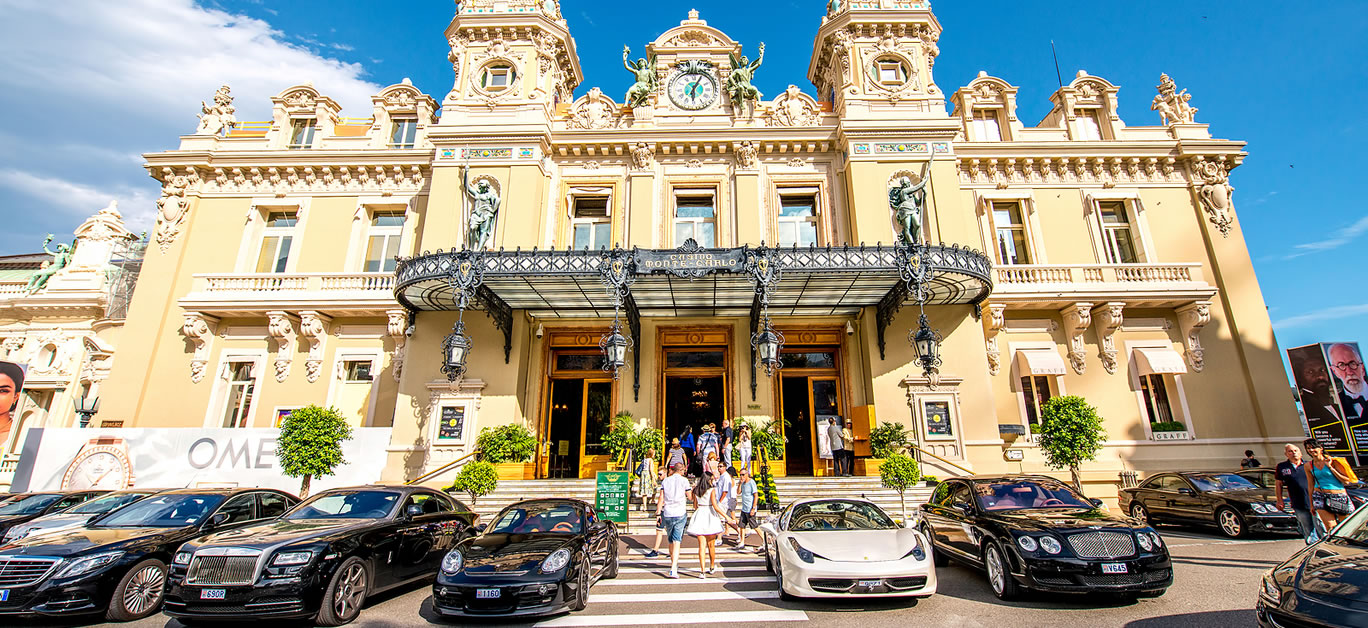
Why Luxury Retail Is Entering Casino Resorts
Recent years have witnessed a surge in luxury retail within casino resorts, a response to changing consumer expectations and rising competition. Several forces are driving this trend:
- Affluent travelers now seek immersive, all-in-one experiences, combining gaming, dining, shopping, and entertainment under one roof.
- The expansion of online gambling platforms has compelled physical casinos to diversify their offerings to remain competitive.
- Luxury brands are pursuing new opportunities to reach wealthy, international clients who frequent these dynamic destinations.
To clarify, a *high-roller* refers to a casino guest who wagers large sums, while *VIP guests* often receive exclusive privileges and personalized attention. The term *integrated resort* describes large-scale complexes that bring together gaming, luxury accommodations, retail, restaurants, and entertainment.
According to a 2023 report by CBRE Hotels, luxury retail revenue in major casino resorts has grown by over 25% in the past five years. Industry analyst David G. Schwartz notes, “Casino resorts’ shift to all-encompassing lifestyle centers is redefining the intersection of hospitality and high-end commerce.”
Benefits for Casinos and Luxury Brands
This integration delivers clear advantages for both the venues and the designer labels involved. Casinos benefit in several ways:
- Revenue Diversification: With gaming accounting for a decreasing percentage of total income, luxury retail offers a robust new revenue stream.
- Extended Guest Stay: Upscale amenities encourage visitors to spend more time on property, increasing overall spend on retail, dining, and entertainment.
- Enhanced Reputation: Hosting luxury brands bolsters a casino’s status as a top-tier entertainment hub, attracting media attention and high-value guests.
- Luxury brands, meanwhile, gain access to:
- Affluent Clientele: Casino resorts funnel large numbers of wealthy tourists and VIPs directly to boutique doors.
- Exclusive Events: Opportunities abound for curated product launches, trunk shows, and private shopping appointments.
- Cross-Promotions: Partnerships with resort events and spa services create unique marketing synergies.
Of course, this model faces challenges. Market saturation is a concern if too many similar boutiques cluster in one location. Over-commercialization could also erode the venue’s unique ambiance, raising questions about authenticity or guest experience.
Leading Luxury Retail Destinations Inside Casinos
Fontainebleau Las Vegas
Opening in 2023, Fontainebleau Las Vegas has quickly become a premier destination for luxury shoppers. The property features brands like Alaïa, Bottega Veneta, and Gucci, with Rick Owens, The Webster, and Graff scheduled to join in 2025. What sets Fontainebleau apart is its seamless integration of shopping, gaming, and resort amenities. The retail gallery is nestled within the resort’s grand architecture, and upcoming plans include private lounges for select customers.
The Wynn Plaza Shops (Las Vegas)
Located within The Wynn Las Vegas, The Wynn Plaza Shops are renowned for their refined atmosphere, marble floors, and ambient lighting. Visitors find an array of icons like Hermès, Chanel, Cartier, and Louis Vuitton just steps from the gaming floor. Personal shopping, exclusive previews, and private appointments are available to high-profile guests. According to Wynn Resorts, retail sales per square foot here consistently exceed the Las Vegas Strip average, reflecting the spending power of their clientele.
The Shoppes at Marina Bay Sands (Singapore)
One of Asia’s most celebrated casino resort complexes, The Shoppes at Marina Bay Sands is home to over 170 luxury boutiques, including Rolex, Dior, Prada, and Balenciaga. The mall is famed for its VIP lounges, private fitting rooms, and world-class concierge services, all designed for elite international guests. Official figures show that retail turnover here rivals that of Orchard Road, Singapore’s main luxury district, underscoring its draw for global tourists.
Grand Lisboa Palace (Macau)
Macau’s Grand Lisboa Palace stands out for its European-inspired design and curated luxury boulevard. Brands like Fendi, Valentino, and Saint Laurent cater to the city’s discerning high-rollers. Guests enjoy private showroom appointments, access to limited-edition pieces, and personalized shopping experiences. Macau Government Tourism Office reports show the complex welcomed over 3 million visitors in its first full year, with a significant portion drawn by its retail and entertainment options.
In this regard, it is not worth considering only physical land-based establishments. Online casinos are also not lagging behind in terms of cooperation with luxury jewelry brands. For example, 1win is worth mentioning in this regard. The operator often organizes various tournaments and raffles where you can win products from different brands, and sometimes very expensive jewelry is presented there. You can find out more about the operator itself and the promotions it offers on the 1win IN website.
The Casino as an All-in-One Entertainment Hub
Modern casino resorts now deliver more than gaming thrills. Visitors discover a blend of luxury shopping, Michelin-starred dining, live performances, and VIP lounges—creating a holistic “lifestyle resort” experience. Unlike conventional malls, these properties offer:
- Immediate access to entertainment and hospitality services.
- A curated selection of brands with exclusive products.
- Concierge-level attention for both shoppers and gamers.
This convergence gives casinos a competitive edge, although it can lead to concerns about commercialization or competition with local businesses. Notably, the rise of digitalization and pandemic-related shifts have accelerated casinos’ efforts to diversify beyond the gaming floor.
Expansion into new markets continues, as casino operators from Europe to the Middle East look to replicate the success of Las Vegas, Macau, and Singapore. The industry now stands at the forefront of redefining what it means to offer a luxury lifestyle. Will casinos continue to innovate and set the pace for high-end entertainment destinations worldwide? The next chapter promises even more surprises.