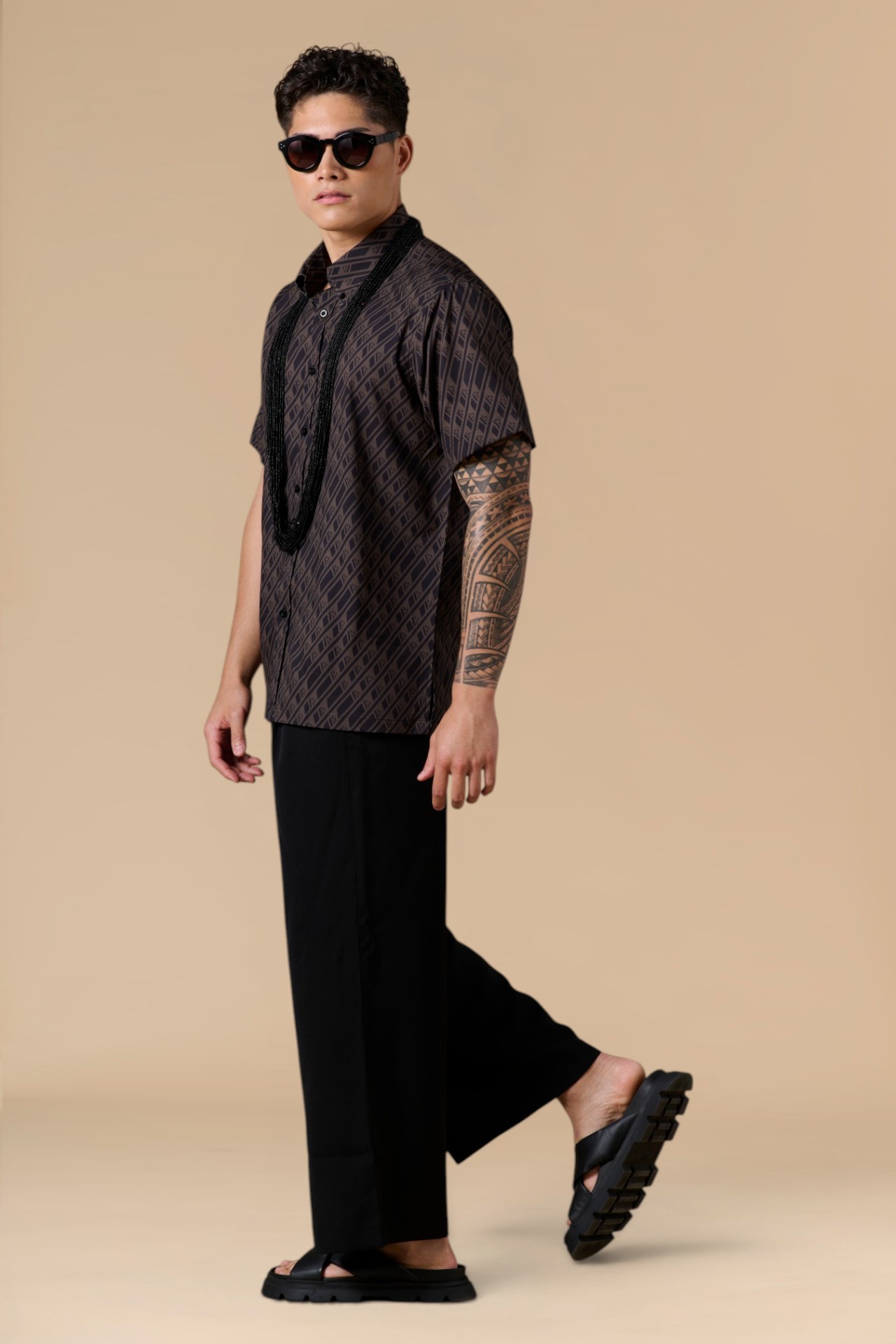
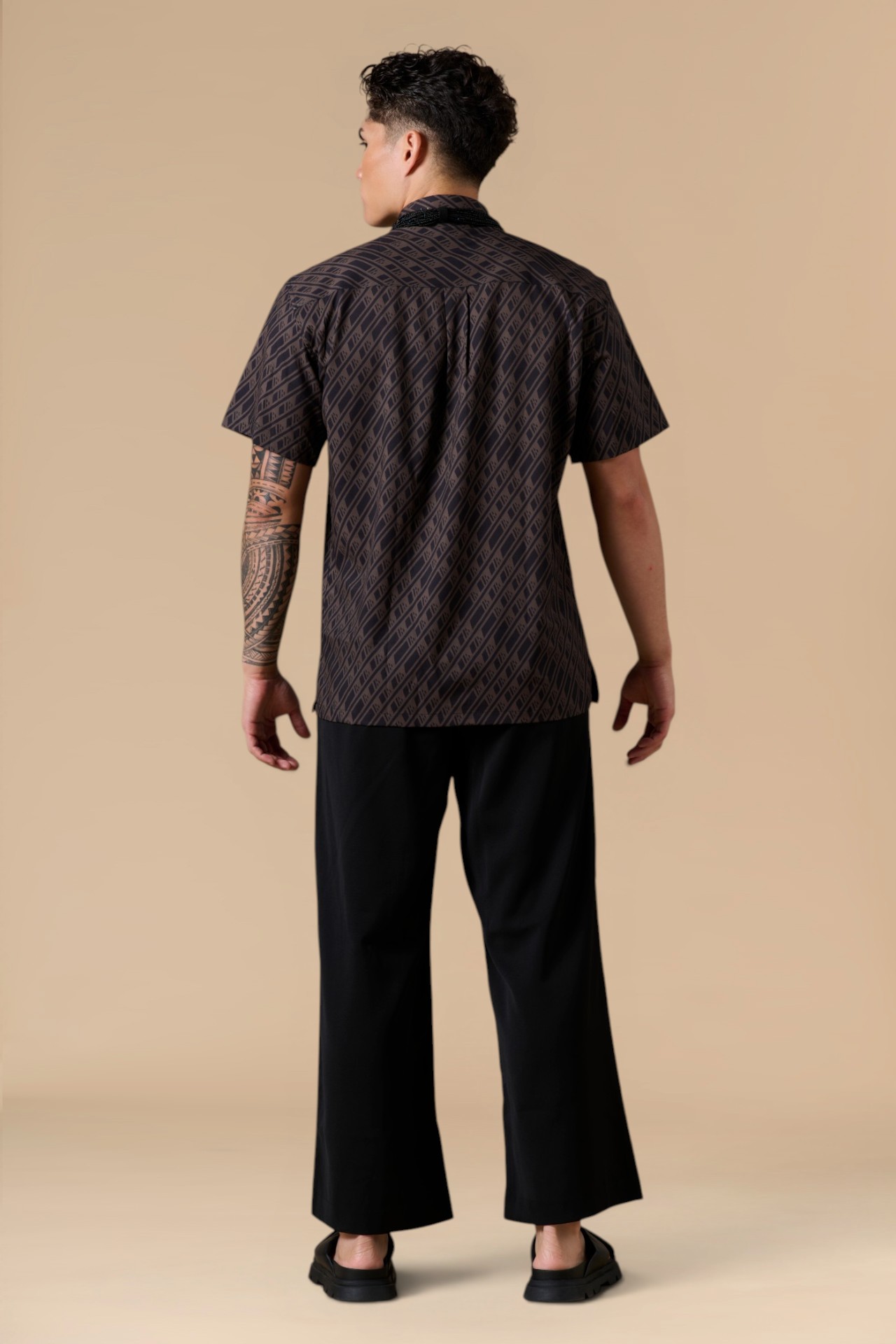
In this special collection of designs, Manaola honors and pays homage to the great warrior chief, Kamehameha, Pai`ea. Born on Hawai`i Island in secrecy and taken to safety by a swift runner to the high cliffs of `Awini Kohala, the infant king was hidden in the caves to escape the order of Alapa`i Nui that the infant be put to death. The Designer gains his inspiration from ancestral chants, and stories speaking of the youthful years of the royal child.
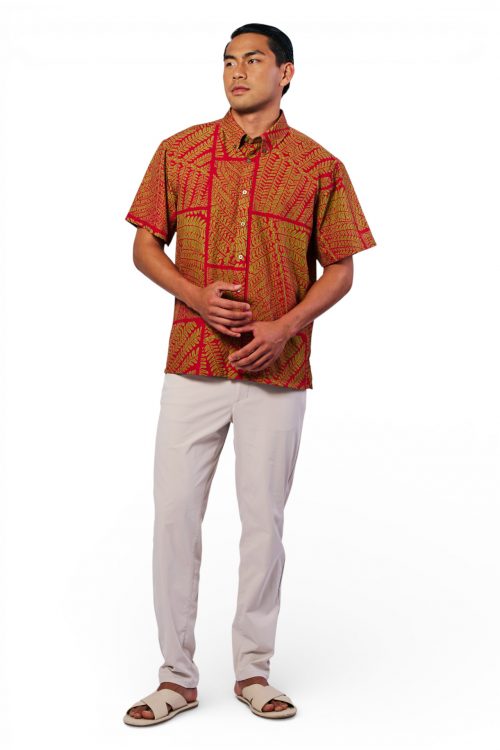
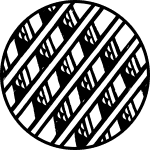
In Hulu Nēnē (Hawaiian Goose Feathers), Manaola embraces the traditional sayings of our ancient ones – “`O nā kānaka Hawai`i, he po`e make`e haku, he po`e nēnē `ili kapu,” the Hawaiian people are people who cherish their lords, people constantly thinking of the sacred skin [of chiefs].“ (Mary K. Puku`i). Thus, the feathers of this noble bird represent the sacred covering of royalty. Such poetry is found in the oli chant “Mehe hulu Nēnē la ka haki manawa o ka pali e kū nei” meaning “Like a goose feather, the child was plucked from the arms of his mother and taken to the sheer cliffs.” Manaola uses the imagery of repetitious patterns found in the Nēnē goose feathers to depict the separation of children who are being weaned from parents. It is a print of independence and courage for our youth. In the evolution of life, a child must walk on his or her own to learn and to have the strength and will to embrace his or her greatness.
For the Designer, the Hulu Nēnē also represents what a mother will do to protect her child. A mother’s love and their vigilance in protecting their babies from harm is part of a mother’s innate nature. This protective instinct is depicted through the imagery of the humble Nēnē bird. The Hulu Nēnē pattern is symbolic of protection in its most intense quality. At times, we are called upon to sacrifice for a higher good or purpose to achieve the potential which has been bestowed upon us.
Reviews
There are no reviews yet.